
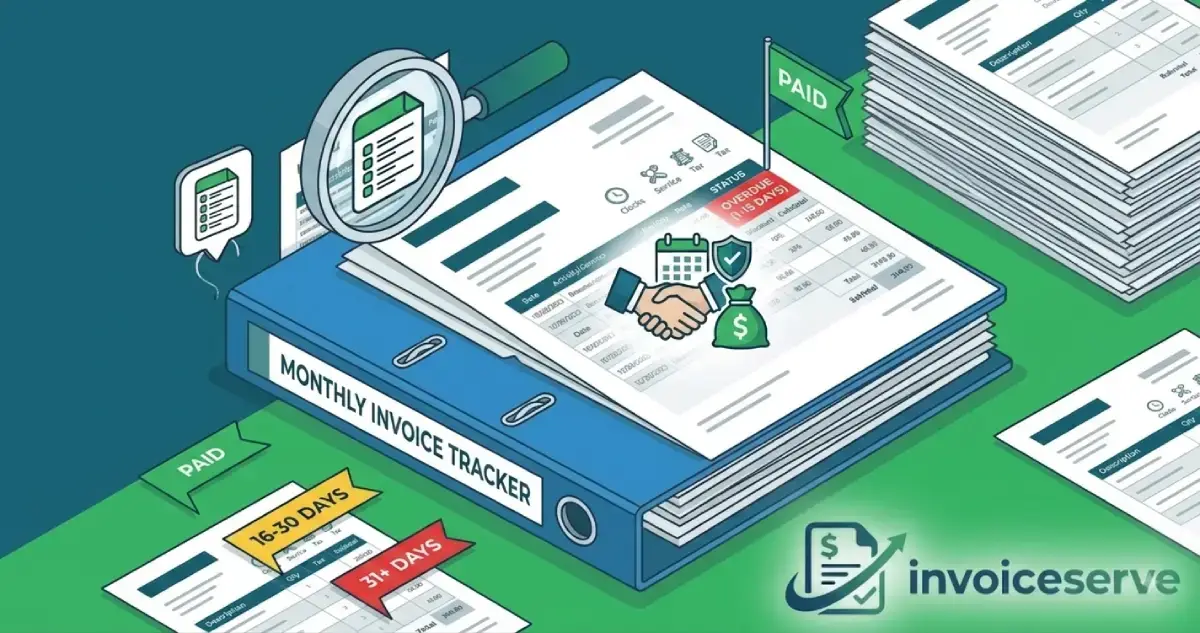
Unpaid invoices and delayed payments can severely disrupt your business's cash flow. For freelancers, contractors, and small business owners, managing accounts receivable efficiently isn't just about collecting money—it's about preventing bad debt before it impacts your bottom line.
Implementing a simple, disciplined record-keeping routine ensures you always know who owes what, when payments are due, and when it's time to follow up.
1. What Is Bad Debt in Small Business Accounting?
Bad debt occurs when an invoice becomes uncollectible due to client default, insolvency, or non-payment. While writing off bad debt is an option during tax season, preventing unpaid balances altogether is far better for your business health.
Common Reasons Invoices Go Unpaid
Unclear Payment Terms: Clients aren't sure when or how to pay.
Lack of Follow-Up: Invoices are sent but never tracked or reminded.
Disputed Scope: Missing line-item descriptions lead to client pushback.
Lost Invoices: Invoices get buried in a client's cluttered inbox.
2. A Simple 4-Step System to Track Unpaid Invoices
Step 1: Centralize Your Invoice Ledger
Maintain a single source of truth for all issued bills. Whether you use accounting software or a structured invoice tracker, record four essential data points for every invoice:
Invoice ID & Client Name
Issue Date & Due Date
Total Balance Due
Current Status (Draft, Sent, Paid, Overdue)
Step 2: Establish an Aging Schedule
Categorize outstanding balances by how many days they are past due:
Current: Not yet due.
1–15 Days Overdue: Friendly initial check-in.
16–30 Days Overdue: Formal payment reminder with invoice attached.
31+ Days Overdue: Urgent follow-up, phone call, or pause on active project deliverables.
Step 3: Send Timely, Automated Reminders
Don't wait 30 days to check on an unpaid bill. Send proactive reminders:
3 Days Before Due Date: A quick courtesy note to confirm receipt.
On the Due Date: A polite prompt with payment links attached.
7 Days Past Due: A clear notice referencing the original payment terms.
Step 4: Enforce Late Fees & Work Pauses
Include a standard late payment clause in your contracts and invoices (e.g., "1.5% late fee applied per month to overdue balances"). If an invoice remains unpaid past 15–30 days, pause all ongoing client deliverables until the balance is cleared.
3. Best Practices to Prevent Bad Debt Upfront
Require Deposits for New Clients: Ask for a 30–50% upfront deposit before kicking off any major work.
Shorten Payment Terms: Instead of Net 60 or Net 30, use Net 15 or Due on Receipt to keep payment cycles tight.
Make Payment Frictionless: Include direct payment links or clear bank routing details directly on your invoices.
Use Clear, Professional Templates: Ambiguous or messy invoices lead to processing delays in client accounts payable departments.
"Start with clean, professional documents—create your next bill with our Instant Invoice Editor."